.jpg)
Nutrient-Rich Plants: Health Benefits, Uses & Top Foods for Wellness
- Aria Dana

- Nov 29, 2025
- 18 min read
Updated: Nov 29, 2025
Key Insights:
Plants are dynamic, highly adaptable organisms essential for life on Earth.
Leafy greens, seeds, roots, fruits, legumes, and herbs each offer unique nutrient profiles and health benefits.
Bioactive compounds (polyphenols, carotenoids, phytosterols) are key to disease prevention and wellness.
Diversity and rotation in plant choices maximize nutrient intake and minimize anti-nutrient effects.
Sustainable practices (home gardening, local sourcing and underutilized crops) enhance both health and environmental outcomes.
Practical strategies (pairing foods, proper preparation) optimize nutrient absorption and health benefits.
Table of Contents
What are Plants?
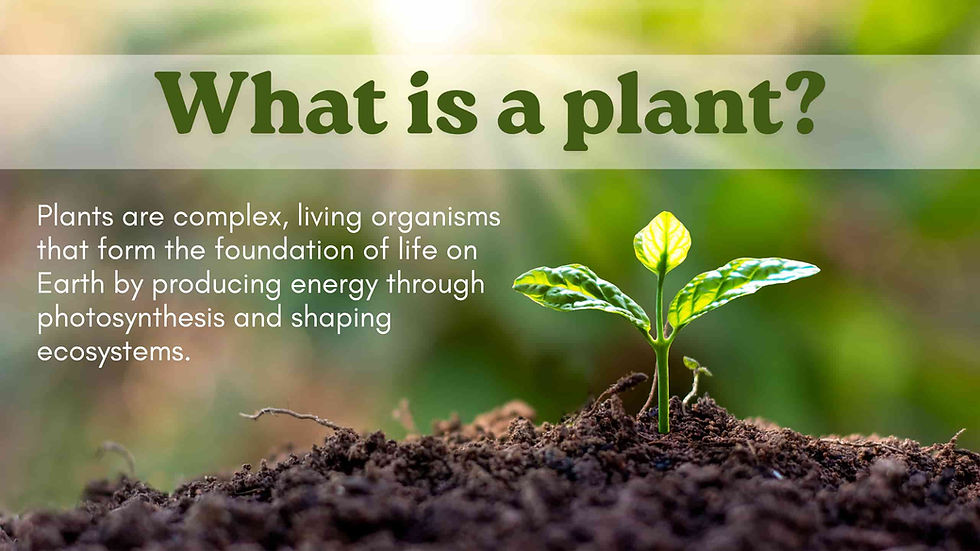
Plants are complex, living organisms that form the foundation of life on Earth by producing energy through photosynthesis and shaping ecosystems.
Defining Features of Plants
Primary Producers: Plants capture sunlight and convert it into chemical energy via photosynthesis, supporting nearly all life by forming the base of food webs [24].
Structural Traits: Key plant traits include height, stem density, leaf area, leaf mass per area, leaf nitrogen content, and seed/spore mass. These traits influence how plants grow, survive, and reproduce, and how they interact with their environment [12].
Morphological Diversity: Despite their diversity, plants share essential organs—leaves, stems, roots, and reproductive structures (flowers, seeds, spores)—with variations adapted to different environments [12, 57].
Adaptability and Behavior: Plants are not passive; they sense and respond to environmental changes (light, water, nutrients, stress) through growth, movement, and chemical signaling. Some research even explores plant "behavior" and adaptive responses, such as competing for sunlight or adjusting to stress [26, 57].
Ecosystem Engineers: Plants shape the biosphere, atmosphere, and geosphere, influencing soil formation, water cycles, and climate. Their roots and above-ground parts are crucial for ecosystem functioning and stability [17, 57].
Taxonomic Diversity: There are tens of thousands of plant species, ranging from tiny mosses to giant trees, each with unique traits and ecological roles [12, 62].
Importance and Roles
Food and Resources: Plants provide food, raw materials, and medicines for humans and animals [24, 62].
Environmental Regulation: They regulate climate, purify air and water, and maintain biodiversity [17, 24].
Cultural and Symbolic Value: Plants hold significant roles in rituals, folklore, and cultural practices worldwide [23].
How nutrient-rich plants support human Biology?
Plants are not just food—they are living medicine. Through photosynthesis, plants synthesize a spectrum of nutrients and bioactive compounds that interact with human biology to:
Strengthen immunity: Antioxidants (e.g., vitamin C, polyphenols) and vitamins in plants bolster immune defenses and reduce inflammation [21, 37, 45, 48].
Protect cells from oxidative stress: Polyphenols, carotenoids, and other phytochemicals neutralize free radicals, reducing the risk of chronic diseases like cancer, cardiovascular disease, and neurodegeneration [21, 32, 45, 46, 58].
Support digestion and gut health: Dietary fiber and prebiotic compounds in plant foods foster a healthy gut microbiome, improve bowel regularity, and lower the risk of metabolic and gastrointestinal disorders [9, 43, 56].
Regulate metabolic functions: Plant nutrients help control blood sugar, cholesterol, and blood pressure, reducing the risk of diabetes, atherosclerosis, and metabolic syndrome [38, 43, 55].
Promote organ health: Anti-inflammatory and organosulfur compounds in plants protect the heart, liver, and brain, and may slow aging processes [11, 29, 32, 37].
The Science Behind Nutrient Density
Not all plants are created equal. Nutrient density—the concentration of essential nutrients and bioactive compounds per calorie—depends on:
Soil quality: Plants grown in mineral-rich soils have higher vitamin and mineral content [16, 48].
Plant part: Leaves, seeds, roots, and fruits store different nutrients and phytochemicals [41, 48, 61].
Maturity: Young plants (microgreens, sprouts) often have higher concentrations of certain vitamins and antioxidants [5, 7, 33].
Bioavailability: The body’s ability to absorb nutrients varies; pairing certain foods (e.g., leafy greens with healthy fats) can enhance absorption of fat-soluble vitamins and carotenoids [18, 47].
A diverse, rotating intake of plant foods ensures a broad spectrum of nutrients and maximizes health benefits [9, 43, 48, 59].
Nutrient-Rich Plant Categories and Their Health Benefits
I. Leafy Powerhouses (Leafy Vegetables & Greens)
Amaranth Leaves
Key Nutrients: Iron, calcium, vitamin C, beta-carotene, magnesium
Benefits: Prevents anemia, supports bone and immune health [6, 49]
Fenugreek
Key Nutrients: Lutein, beta-carotene, minerals (iron, calcium), phytosterols [47, 49].
Benefits: Antioxidant activity, supports metabolic health, and may help regulate blood sugar [47, 49].
Kale
Key Nutrients: Vitamin K, vitamin C, calcium, lutein, zeaxanthin
Benefits: Bone health, eye protection, anti-inflammatory [49, 56]
Lettuce
Key Nutrients: Vitamin K, vitamin A, folate, fiber
Benefits: Supports bone health, vision, and digestion [52]
Moringa
Key Nutrients: Beta-carotene, lutein, alpha-tocopherol (vitamin E), phytosterols [47].
Benefits: Provides antioxidants, supports vision and immune function, and may help reduce inflammation [47].
Mustard Greens
Key Nutrients: Vitamin K, vitamin C, folate, calcium
Benefits: Bone health, immune support, anti-inflammatory [49]
Radish Leaves
Key Nutrients: Vitamin C, calcium, iron, fiber
Benefits: Antioxidant, supports digestion and bone health [49]
Spinach
Key Nutrients: Lutein, beta-carotene, vitamin K, vitamin C, folate, iron, magnesium [34, 47, 49].
Benefits: Supports eye health, reduces risk of cardiovascular disease, boosts immunity, and provides antioxidant protection [34, 49]
Swiss Chard
Key Nutrients: Magnesium, vitamin K, vitamin A, vitamin C
Benefits: Cardiovascular support, bone health, antioxidant [56]
Taro Leaves
Key Nutrients: Iron, calcium, vitamin C, beta-carotene
Benefits: Supports blood and bone health, antioxidant [49]
II. Edible Seeds and Grains (Plant-Based Proteins)
Amaranth Grain
Key Nutrients: Protein, magnesium, iron, calcium
Benefits: Bone and heart health, gluten-free [42, 56]
Brown Rice
Key Nutrients: Fiber, B vitamins, magnesium, selenium
Benefits: Digestive health, energy, antioxidant [56]
Chia Seeds
Key Nutrients: Omega-3 fatty acids, dietary fiber, protein, calcium, magnesium, iron, B vitamins [2, 4]
Benefits: Supports heart health, aids digestion, helps regulate blood sugar, and provides sustained energy [2, 4]
Flaxseed
Key Nutrients: Omega-3, lignans, fiber, protein
Benefits: Anti-inflammatory, heart health, digestive support [56]
Hemp Seeds
Key Nutrients: Essential amino acids, omega-3, omega-6, magnesium
Benefits: Brain and immune support, anti-inflammatory [56]
Oats
Key Nutrients: Beta-glucan fiber, protein, magnesium, iron
Benefits: Heart health, cholesterol reduction, digestive support [56]
Pumpkin Seeds
Key Nutrients: Magnesium, zinc, protein, iron
Benefits: Prostate health, immune support, sleep aid [56]
Quinoa
Key Nutrients: Complete protein (all essential amino acids), fiber, iron, magnesium, B vitamins [2, 4]
Benefits: Muscle repair, supports metabolic health, gluten-free, and helps prevent chronic diseases [2, 4]
Sesame Seeds
Key Nutrients: Calcium, iron, magnesium, lignans
Benefits: Bone health, antioxidant, cholesterol regulation [56]
Sunflower Seeds
Key Nutrients: Vitamin E, selenium, magnesium, protein
Benefits: Antioxidant, heart health, immune support [56]
III. Root and Tuber Crops (Energy Storers)
Carrot
Key Nutrients: Beta-carotene, fiber, vitamin C, potassium [10, 40, 58]
Benefits: Improves eye health, boosts immunity, and provides antioxidant protection [10, 40, 58]
Cassava
Key Nutrients: Complex carbohydrates, vitamin C, calcium
Benefits: Energy, immune support [56]
Beetroot
Key Nutrients: Betalains, folate, manganese, potassium, vitamin B6, fiber [40]
Benefits: Antioxidant, supports cardiovascular health, and aids in detoxification [40]
Ginger
Key Nutrients: Gingerol, shogaol, vitamins, minerals
Benefits: Anti-inflammatory, digestive aid, nausea relief [56]
Parsnip
Key Nutrients: Fiber, vitamin C, folate, potassium
Benefits: Digestive health, immune support, antioxidant [56]
Radish Root
Key Nutrients: Vitamin C, fiber, potassium
Benefits: Antioxidant, supports digestion, detoxification [56]
Sweet Potato
Key Nutrients: Beta-carotene (especially orange-fleshed), anthocyanins (purple-fleshed), fiber, vitamin C, potassium [15, 30, 58]
Benefits: Antioxidant, anti-inflammatory, supports vision, heart health, and may help prevent vitamin A deficiency [15, 30, 58]
Turnip
Key Nutrients: Vitamin C, fiber, potassium, calcium
Benefits: Immune support, bone health, digestion [56]
Yam
Key Nutrients: Carbohydrates, vitamin C, potassium, fiber
Benefits: Energy, digestive health, antioxidant [56]
Taro Root
Key Nutrients: Carbohydrates, fiber, potassium, vitamin E
Benefits: Energy, digestive health, antioxidant [56]
IV. Medicinal & Functional Plants
Aloe Vera
Key Nutrients: Vitamins, polysaccharides, antioxidants
Benefits: Digestive aid, skin health, anti-inflammatory [56]
Ashwagandha
Key Nutrients: Withanolides, iron, antioxidants
Benefits: Stress management, immune support, anti-inflammatory [56]
Dandelion Root
Key Nutrients: Inulin, vitamins A, C, K, minerals
Benefits: Liver support, digestive health, antioxidant [56]
Garlic
Key Nutrients: Allicin, selenium, vitamin C, B6, manganese [1]
Benefits: Supports immune function, heart health, and has antimicrobial properties [1]
Ginger
Key Nutrients: Gingerol, shogaol, vitamins, minerals [1]
Benefits: Anti-inflammatory, aids digestion, and may help reduce nausea and pain [1]
Ginseng
Key Nutrients: Ginsenosides, vitamins, minerals
Benefits: Energy, cognitive function, immune support [56]
Holy Basil (Tulsi)
Key Nutrients: Eugenol, vitamin A, vitamin C
Benefits: Adaptogen, anti-inflammatory, immune support [56]
Licorice Root
Key Nutrients: Glycyrrhizin, flavonoids, saponins
Benefits: Anti-inflammatory, digestive support, immune modulation [56]
Milk Thistle
Key Nutrients: Silymarin, vitamin E, flavonoids
Benefits: Liver protection, antioxidant, anti-inflammatory [56]
Turmeric
Key Nutrients: Curcumin (polyphenolic pigment), vitamin C, minerals [14, 40, 50]
Benefits: Potent anti-inflammatory, antioxidant, supports joint and brain health, and may reduce risk of chronic diseases[14, 50]
V. Fruit-Bearing Nutrient Gems
Apple
Key Nutrients: Fiber, vitamin C, polyphenols
Benefits: Heart health, digestion, antioxidant [56]
Banana
Key Nutrients: Potassium, vitamin B6, vitamin C, fiber
Benefits: Energy, heart health, digestion [48]
Blueberry
Key Nutrients: Anthocyanins, vitamin C, fiber [10]
Benefits: Antioxidant, supports brain health, and may reduce inflammation [10]
Grape
Key Nutrients: Resveratrol, vitamin C, vitamin K
Benefits: Heart health, antioxidant, anti-inflammatory [56]
Guava
Key Nutrients: Vitamin C, fiber, vitamin A, potassium
Benefits: Immunity, digestion, antioxidant [56]
Orange
Key Nutrients: Vitamin C, fiber, folate, potassium
Benefits: Immunity, heart health, antioxidant [56]
Papaya
Key Nutrients: Vitamin C, beta-carotene, folate, potassium, fiber [25]
Benefits: Supports digestion, boosts immunity, and provides antioxidant protection [25]
Pomegranate
Key Nutrients: Punicalagins, vitamin C, potassium
Benefits: Antioxidant, heart health, anti-inflammatory [56]
Tomato
Key Nutrients: Lycopene, beta-carotene, vitamin C, potassium [10, 58]
Benefits: Antioxidant, supports heart and skin health, and may reduce cancer risk [10, 58]
Watermelon
Key Nutrients: Lycopene, vitamin C, potassium
Benefits: Hydration, heart health, antioxidant [56]
VI. Legumes and Pulses
Adzuki Beans
Key Nutrients: Protein, fiber, iron, potassium
Benefits: Heart health, digestion, blood sugar regulation [44]
Bambara Groundnut
Key Nutrients: Protein, fiber, iron, calcium
Benefits: Nutritional security, digestion, bone health [44]
Black Beans
Key Nutrients: Protein, fiber, folate, magnesium
Benefits: Heart health, digestion, blood sugar control [20, 27, 28]
Broad Beans (Fava Beans)
Key Nutrients: Protein, fiber, folate, iron
Benefits: Muscle, heart, blood health [20, 27, 28]
Chickpeas
Key Nutrients: Protein, fiber, folate, iron [59]
Benefits: Supports digestive health, provides plant-based protein, and helps manage cholesterol [59]
Kidney Beans
Key Nutrients: Protein, iron, fiber, potassium
Benefits: Blood health, energy, digestion [20, 27, 28]
Lentils
Key Nutrients: Protein, folate, iron, fiber, B vitamins [59]
Benefits: Supports muscle and heart health, aids digestion, and helps regulate blood sugar [58]
Mung Beans
Key Nutrients: Protein, fiber, folate, magnesium
Benefits: Digestion, heart health, energy [28, 44]
Peas
Key Nutrients: Protein, fiber, vitamin C, vitamin K
Benefits: Gut health, immunity, muscle support [20, 27, 28]
Soybeans
Key Nutrients: Isoflavones, protein, calcium, iron
Benefits: Heart, bone, hormone balance [20, 27, 28]
VII. Sea Vegetables
Aonori
Key Nutrients: Vitamin C, calcium, magnesium, protein
Benefits: Antioxidant, bone health, energy [56]
Arame
Key Nutrients: Calcium, magnesium, iodine, fiber
Benefits: Bone health, thyroid support, digestion [56
Dulse
Key Nutrients: Iodine, potassium, protein, fiber
Benefits: Thyroid health, heart health, digestion [56]
Hijiki
Key Nutrients: Calcium, iron, fiber, iodine
Benefits: Bone health, blood health, thyroid support [56]
Irish Moss
Key Nutrients: Iodine, calcium, potassium, fiber
Benefits: Thyroid health, digestion, immune support [56]
Kelp
Key Nutrients: Iodine, calcium, magnesium, fiber
Benefits: Thyroid support, bone health, digestion [56]
Nori
Key Nutrients: Vitamin A, vitamin C, iron, protein
Benefits: Antioxidant, immune support, energy [56]
Sea Lettuce (Ulva)
Key Nutrients: Vitamin C, iron, magnesium, protein
Benefits: Antioxidant, immune support, energy [56]
Spirulina
Key Nutrients: Protein, B vitamins, iron, antioxidants [4]
Benefits: Boosts energy, supports immune function, and provides anti-inflammatory effects [4]
Wakame
Key Nutrients: Fucoxanthin, calcium, magnesium, omega-3
Benefits: Metabolic health, bone health, anti-inflammatory [56]
VIII. Culinary Herbs
Basil
Key Nutrients: Polyphenols, vitamin K, vitamin A [49]
Benefits: Anti-inflammatory, antioxidant, and supports cardiovascular health [49]
Chives
Key Nutrients: Vitamin K, vitamin C, folate
Benefits: Bone health, immune support, antioxidant [13]
Cilantro (Coriander)
Key Nutrients: Vitamin K, antioxidants, vitamin C
Benefits: Detoxification, digestion, antioxidant [13]
Dill
Key Nutrients: Vitamin C, vitamin A, calcium
Benefits: Antioxidant, bone health, digestion [13]
Mint
Key Nutrients: Vitamin A, antioxidants, menthol
Benefits: Digestive aid, respiratory support, antioxidant [13]
Oregano
Key Nutrients: Polyphenols, essential oils, vitamin K
Benefits: Antimicrobial, antioxidant, immune support [13]
Parsley
Key Nutrients: Vitamin C, vitamin K, folate [49]
Benefits: Supports bone health, immunity, and provides antioxidant protection [49]
Rosemary
Key Nutrients: Polyphenols, vitamin A, vitamin C
Benefits: Cognitive support, antioxidant, anti-inflammatory [13]
Sage
Key Nutrients: Vitamin K, antioxidants, essential oils
Benefits: Cognitive support, anti-inflammatory, antimicrobial [13]
Thyme
Key Nutrients: Vitamins, antioxidants, essential oils
Benefits: Respiratory support, antimicrobial, antioxidant [13]
How to incorporate nutrient-rich plants into your diet?
Smoothies & Bowls: Add spinach, kale, moringa, chia, and berries for a nutrient boost [7, 19].
Salads & Wraps: Use arugula, parsley, avocado, beans, and seeds for variety and texture [41, 49].
Cooking: Include sweet potatoes, garlic, turmeric, and ginger in main dishes [11, 37, 58].
Snacks: Try roasted chickpeas, spirulina energy balls, and mixed nuts/seeds [7, 35, 39].
Rotation: Vary plant choices weekly to maximize nutrient diversity and minimize anti-nutrient effects [9, 48, 49].
Plants, Sustainability, and Home Gardening
Growing nutrient-rich plants at home or sourcing locally:
Reduces carbon footprint by minimizing processed foods and transportation [51, 60].
Promotes biodiversity and food security, especially with underutilized or biofortified crops [8, 49, 51]
Ensures fresh, nutrient-rich produce and supports garden-to-table nutrition [8, 49, 51].
Encourages sustainable agriculture and resilience against climate change [8, 51].
Mechanisms and Bioactive Compounds
Polyphenols: Found in fruits, vegetables, tea, and herbs, polyphenols (flavonoids, lignans, stilbenes, phenolic acids) are powerful antioxidants and anti-inflammatories. They modulate the gut microbiome, improve cardiovascular health, and may reduce cancer risk [21, 22, 32, 45, 46, 53, 63].
Carotenoids: Beta-carotene, lycopene, and lutein (in carrots, tomatoes, leafy greens) support eye health, immunity, and protect against oxidative stress [36, 47, 58].
Dietary Fiber: Soluble and insoluble fibers regulate digestion, blood sugar, cholesterol, and foster a healthy gut microbiome [9, 43, 56].
Phytosterols: Plant sterols lower cholesterol and support cardiovascular health [28, 37, 47, 48].
Vitamins & Minerals: Plants are primary sources of vitamin C, K, folate, magnesium, potassium, and trace elements like selenium and iron [16, 31, 47, 48, 54].
Bioactive Peptides: Found in legumes and seeds, these peptides have antihypertensive, antioxidant, and anti-inflammatory effects [35, 38].
Addressing Limitations and Maximizing Benefits
Bioavailability: Some plant nutrients (e.g., iron, zinc, vitamin B12) are less bioavailable; strategies like pairing with vitamin C-rich foods, fermentation, and sprouting can enhance absorption [5, 18, 28].
Anti-nutrients: Compounds like phytates and oxalates can inhibit mineral absorption but are reduced by proper cooking, soaking, and processing [5, 28, 49].
Diversity and Rotation: Rotating plant foods and including a variety of categories ensures comprehensive nutrition and minimizes potential deficiencies [9, 43, 48, 49].
Nutrient-rich plants are foundational to human health, offering a vast array of vitamins, minerals, fiber, and bioactive compounds that support immunity, metabolism, organ function, and disease prevention. Incorporating a diverse range of plant foods—leafy greens, seeds, roots, fruits, legumes, sea vegetables, and herbs—into daily meals, while considering bioavailability and sustainability, is a powerful strategy for lifelong wellness and planetary health
References
Ajanaku, C., Ademosun, O., Atohengbe, P., Ajayi, S., Obafemi, Y., Owolabi, O., Akinduti, P., & Ajanaku, K. (2022). Functional bioactive compounds in ginger, turmeric, and garlic. Frontiers in Nutrition, 9. https://doi.org/10.3389/fnut.2022.1012023.
Agarwal, A., Tripathi, A., Kumar, T., Prakash, K., Kumar, S., & Patel, S. (2023). Nutritional and Functional New Perspectives and Potential Health Benefits of Quinoa and Chia Seeds. Antioxidants, 12. https://doi.org/10.3390/antiox12071413.
Alam, M. (2021). A comprehensive review of sweet potato (Ipomoea batatas [L.] Lam): Revisiting the associated health benefits. Trends in Food Science and Technology, 115, 512-529. https://doi.org/10.1016/j.tifs.2021.07.001.
Alasalvar, C., Chang, S., Bolling, B., Oh, W., & Shahidi, F. (2021). Specialty seeds: Nutrients, bioactives, bioavailability, and health benefits: A comprehensive review.. Comprehensive reviews in food science and food safety. https://doi.org/10.1111/1541-4337.12730.
Aloo, S., Ofosu, F., Kilonzi, S., Shabbir, U., & Oh, D. (2021). Edible Plant Sprouts: Health Benefits, Trends, and Opportunities for Novel Exploration. Nutrients, 13. https://doi.org/10.3390/nu13082882.
Ayeni, A. (2021). Nutrient Content of Micro/Baby-Green and Field-Grown Mature Foliage of Tropical Spinach (Amaranthus sp.) and Roselle (Hibiscus sabdariffa L.). Foods, 10. https://doi.org/10.3390/foods10112546.
Bhaswant, M., Shanmugam, D., Miyazawa, T., Abe, C., & Miyazawa, T. (2023). Microgreens—A Comprehensive Review of Bioactive Molecules and Health Benefits. Molecules, 28. https://doi.org/10.3390/molecules28020867.
Cantwell-Jones, A., Ball, J., Collar, D., Diazgranados, M., Douglas, R., Forest, F., Hawkins, J., Howes, M., Ulian, T., Vaitla, B., & Pironon, S. (2022). Global plant diversity as a reservoir of micronutrients for humanity. Nature Plants, 8, 225 - 232. https://doi.org/10.1038/s41477-022-01100-6.
Craig, W., Mangels, A., Fresán, U., Marsh, K., Miles, F., Saunders, A., Haddad, E., Heskey, C., Johnston, P., Larson-Meyer, E., & Orlich, M. (2021). The Safe and Effective Use of Plant-Based Diets with Guidelines for Health Professionals. Nutrients, 13. https://doi.org/10.3390/nu13114144.
Cruz, M., Coimbra, P., Araújo-Lima, C., Freitas-Silva, O., & Teodoro, A. (2024). Hybrid Fruits for Improving Health—A Comprehensive Review. Foods, 13. https://doi.org/10.3390/foods13020219.
Das, G., Kameswaran, S., Ramesh, B., Bangeppagari, M., Nath, R., Talukdar, A., Shin, H., & Patra, J. (2024). Anti-Aging Effect of Traditional Plant-Based Food: An Overview. Foods, 13. https://doi.org/10.3390/foods13233785.
Díaz, S., Kattge, J., Cornelissen, J.H.C. et al. The global spectrum of plant form and function: enhanced species-level trait dataset. Sci Data 9, 755 (2022). https://doi.org/10.1038/s41597-022-01774-9
Drewnowski, A. (2024). A novel Nutrient Rich Food (NRFa11.3) score uses flavonoids and carotenoids to identify antioxidant-rich spices, herbs, vegetables, and fruit. Frontiers in Nutrition, 11. https://doi.org/10.3389/fnut.2024.1386328.
El‐Saadony, M., Yang, T., Korma, S., Sitohy, M., El-Mageed, T., Selim, S., Jaouni, S., Salem, H., Mahmmod, Y., Soliman, S., Mo’men, S., Mosa, W., El-Wafai, N., Abou-Aly, H., Sitohy, B., El-Hack, M., El-Tarabily, K., & Saad, A. (2023). Impacts of turmeric and its principal bioactive curcumin on human health: Pharmaceutical, medicinal, and food applications: A comprehensive review. Frontiers in Nutrition, 9. https://doi.org/10.3389/fnut.2022.1040259.
Escobar-Puentes, A., Palomo, I., Rodríguez, L., Fuentes, E., Villegas-Ochoa, M., González-Aguilar, G., Olivas-Aguirre, F., & Wall‐Medrano, A. (2022). Sweet Potato (Ipomoea batatas L.) Phenotypes: From Agroindustry to Health Effects. Foods, 11. https://doi.org/10.3390/foods11071058.
Fitzpatrick, T., & Chapman, L. (2020). The importance of thiamine (vitamin B1) in plant health: From crop yield to biofortification. The Journal of Biological Chemistry, 295, 12002 - 12013. https://doi.org/10.1074/jbc.rev120.010918.
Freschet, G., Roumet, C., Comas, L., Weemstra, M., Bengough, A., Rewald, B., Bardgett, R., De Deyn, G., Johnson, D., Klimešová, J., Lukac, M., McCormack, M., Meier, I., Pagès, L., Poorter, H., Prieto, I., Wurzburger, N., Zadworny, M., Bagniewska-Zadworna, A., Blancaflor, E., Brunner, I., Gessler, A., Hobbie, S., Iversen, C., Mommer, L., Picon-Cochard, C., Postma, J., Rose, L., Ryser, P., Scherer‐Lorenzen, M., Soudzilovskaia, N., Sun, T., Valverde‐Barrantes, O., Weigelt, A., York, L., & Stokes, A. (2020). Root traits as drivers of plant and ecosystem functioning: current understanding, pitfalls and future research needs.. The New phytologist. https://doi.org/10.1111/nph.17072.
Goldman, D., Warbeck, C., Barbaro, R., Khambatta, C., & Nagra, M. (2025). Assessing the Roles of Retinol, Vitamin K2, Carnitine, and Creatine in Plant-Based Diets: A Narrative Review of Nutritional Adequacy and Health Implications. Nutrients, 17. https://doi.org/10.3390/nu17030525.
Golovinskaia, O., & Wang, C. (2021). Review of Functional and Pharmacological Activities of Berries. Molecules, 26. https://doi.org/10.3390/molecules26133904.
Grdeń, P., & Jakubczyk, A. (2023). Health benefits of legume seeds.. Journal of the science of food and agriculture. https://doi.org/10.1002/jsfa.12585.
Guan, R., Van Le, Q., Yang, H., Zhang, D., Gu, H., Yang, Y., Sonne, C., Lam, S., Zhong, J., Zhu, J., Liu, R., & Peng, W. (2021). A review of dietary phytochemicals and their relation to oxidative stress and human diseases.. Chemosphere, 271, 129499 . https://doi.org/10.1016/j.chemosphere.2020.129499.
Iqbal, I., Wilairatana, P., Saqib, F., Nasir, B., Wahid, M., Latif, M., Iqbal, A., Naz, R., & Mubarak, M. (2023). Plant Polyphenols and Their Potential Benefits on Cardiovascular Health: A Review. Molecules, 28. https://doi.org/10.3390/molecules28176403.
Kielak, O. (2025). Divine thus good, devilish thus bad? Folk linguistic perceptions about plants and their characteristics in Polish folklore. Journal of Ethnobiology and Ethnomedicine, 21. https://doi.org/10.1186/s13002-025-00787-z.
Kior, A., Yudina, L., Zolin, Y., Sukhov, V., & Sukhova, E. (2024). RGB Imaging as a Tool for Remote Sensing of Characteristics of Terrestrial Plants: A Review. Plants, 13. https://doi.org/10.3390/plants13091262.
Koul, B., Pudhuvai, B., Sharma, C., Kumar, A., Sharma, V., Yadav, D., & Jin, J. (2022). Carica papaya L.: A Tropical Fruit with Benefits beyond the Tropics. Diversity. https://doi.org/10.3390/d14080683.
Kumar, A., Memo, M., & Mastinu, A. (2020). Plant behavior: an evolutionary response to the environment?. Plant biology. https://doi.org/10.1111/plb.13149.
Kumar, S., , D., Thakur, S., Verma, M., Hajam, Y., Kumar, R., Dhull, S., Rose, P., Muzaffar, N., & Gautam, D. (2024). Nutraceutical and Pharmacological Benefits of Some Leguminous Plants of North‐Western Himalaya. Legume Science, 6. https://doi.org/10.1002/leg3.236.
Kumar, S., & Pandey, G. (2020). Biofortification of pulses and legumes to enhance nutrition. Heliyon, 6. https://doi.org/10.1016/j.heliyon.2020.e03682.
La Scala, S., Naselli, F., Quatrini, P., Gallo, G., & Caradonna, F. (2024). Drought-Adapted Mediterranean Diet Plants: A Source of Bioactive Molecules Able to Give Nutrigenomic Effects per sè or to Obtain Functional Foods. International Journal of Molecular Sciences, 25. https://doi.org/10.3390/ijms25042235.
Laveriano-Santos, E., López-Yerena, A., Jaime-Rodríguez, C., González-Coria, J., Lamuela-Raventós, R., Vallverdú-Queralt, A., Romanyà, J., & Perez, M. (2022). Sweet Potato Is Not Simply an Abundant Food Crop: A Comprehensive Review of Its Phytochemical Constituents, Biological Activities, and the Effects of Processing. Antioxidants, 11. https://doi.org/10.3390/antiox11091648.
Lee, H., Bi, X., & Henry, C. (2022). Carotenoids, tocopherols and phylloquinone content of 26 green leafy vegetables commonly consumed in Southeast Asia.. Food chemistry, 385, 132729 . https://doi.org/10.1016/j.foodchem.2022.132729.
Leri, M., Scuto, M., Ontario, M., Calabrese, V., Calabrese, E., Bucciantini, M., & Stefani, M. (2020). Healthy Effects of Plant Polyphenols: Molecular Mechanisms. International Journal of Molecular Sciences, 21. https://doi.org/10.3390/ijms21041250.
Le, T., Chiu, C., & Hsieh, P. (2020). Bioactive Compounds and Bioactivities of Brassica oleracea L. var. Italica Sprouts and Microgreens: An Updated Overview from a Nutraceutical Perspective. Plants, 9. https://doi.org/10.3390/plants9080946.
Li, N., Wu, X., Zhuang, W., Xia, L., Chen, Y., Wang, Y., Wu, C., Rao, Z., Du, L., Zhao, R., Yi, M., Wan, Q., & Zhou, Y. (2021). Green leafy vegetable and lutein intake and multiple health outcomes.. Food chemistry, 360, 130145 . https://doi.org/10.1016/j.foodchem.2021.130145.
Martineau-Côté, D., Achouri, A., Karboune, S., & L’Hocine, L. (2022). Faba Bean: An Untapped Source of Quality Plant Proteins and Bioactives. Nutrients, 14. https://doi.org/10.3390/nu14081541.
Mitra, S., Rauf, A., Tareq, A., Jahan, S., Emran, T., Shahriar, T., Dhama, K., Alhumaydhi, F., Aljohani, A., Rebezov, M., Uddin, M., Jeandet, P., Shah, Z., Shariati, M., & Rengasamy, K. (2021). Potential health benefits of carotenoid lutein: an updated review.. Food and chemical toxicology : an international journal published for the British Industrial Biological Research Association, 112328 . https://doi.org/10.1016/j.fct.2021.112328.
Monjotin, N., Amiot, M., Fleurentin, J., Morel, J., & Raynal, S. (2022). Clinical Evidence of the Benefits of Phytonutrients in Human Healthcare. Nutrients, 14. https://doi.org/10.3390/nu14091712.
Moreno-Valdespino, C., Luna-Vital, D., Camacho-Ruíz, R., & Mojica, L. (2020). Bioactive proteins and phytochemicals from legumes: Mechanisms of action preventing obesity and type-2 diabetes.. Food research international, 130, 108905 . https://doi.org/10.1016/j.foodres.2019.108905.
Mostashari, P., & Khaneghah, A. (2024). Sesame Seeds: A Nutrient-Rich Superfood. Foods, 13. https://doi.org/10.3390/foods13081153.
Moulick, S., Jahan, F., Islam, M., Bashera, M., Hasan, M., Islam, M., Ahmed, S., Karmakar, D., Ahmed, F., Saha, T., Dey, S., Boby, F., Saha, M., Saha, B., & Bhuiyan, M. (2023). Nutritional characteristics and antiradical activity of turmeric (Curcuma longa L.), beetroot (Beta vulgaris L.), and carrot (Daucus carota L.) grown in Bangladesh. Heliyon, 9. https://doi.org/10.1016/j.heliyon.2023.e21495.
Nemzer, B., Al-Taher, F., & Abshiru, N. (2021). Extraction and Natural Bioactive Molecules Characterization in Spinach, Kale and Purslane: A Comparative Study. Molecules, 26. https://doi.org/10.3390/molecules26092515.
Pathan, S., & Siddiqui, R. (2022). Nutritional Composition and Bioactive Components in Quinoa (Chenopodium quinoa Willd.) Greens: A Review. Nutrients, 14. https://doi.org/10.3390/nu14030558.
Peña-Jorquera, H., Cid-Jofré, V., Landaeta-Díaz, L., Petermann-Rocha, F., Martorell, M., Zbinden-Foncea, H., Ferrari, G., Jorquera-Aguilera, C., & Cristi‐Montero, C. (2023). Plant-Based Nutrition: Exploring Health Benefits for Atherosclerosis, Chronic Diseases, and Metabolic Syndrome—A Comprehensive Review. Nutrients, 15. https://doi.org/10.3390/nu15143244.
Popoola, J., Ojuederie, O., Aworunse, O., Adelekan, A., Oyelakin, A., Oyesola, O., Akinduti, P., Dahunsi, S., Adegboyega, T., Oranusi, S., Ayilara, M., & Omonhinmin, C. (2023). Nutritional, functional, and bioactive properties of african underutilized legumes. Frontiers in Plant Science, 14. https://doi.org/10.3389/fpls.2023.1105364.
Rana, A., Samtiya, M., Dhewa, T., Mishra, V., & Aluko, R. (2022). Health benefits of polyphenols: A concise review.. Journal of food biochemistry, e14264 . https://doi.org/10.1111/jfbc.14264.
Rudrapal, M., Rakshit, G., Singh, R., Garse, S., Khan, J., & Chakraborty, S. (2024). Dietary Polyphenols: Review on Chemistry/Sources, Bioavailability/Metabolism, Antioxidant Effects, and Their Role in Disease Management. Antioxidants, 13. https://doi.org/10.3390/antiox13040429.
Saini, R., Song, M., Yu, J., Lee, J., Ahn, H., Keum, Y., & Lee, J. (2022). Profiling of Nutritionally Vital Bioactive Compounds in Emerging Green Leafy Vegetables: A Comparative Study. Foods, 11. https://doi.org/10.3390/foods11233867.
Samtiya, M., Aluko, R., Dhewa, T., & Moreno-Rojas, J. (2021). Potential Health Benefits of Plant Food-Derived Bioactive Components: An Overview. Foods, 10. https://doi.org/10.3390/foods10040839.
Sarkar, T., Salauddin, M., Roy, S., Chakraborty, R., Rebezov, M., Shariati, M., Thiruvengadam, M., & Rengasamy, K. (2022). Underutilized green leafy vegetables: frontier in fortified food development and nutrition. Critical Reviews in Food Science and Nutrition, 63, 11679 - 11733. https://doi.org/10.1080/10408398.2022.2095555.
Shah, M., Murad, W., Mubin, S., Ullah, O., Rehman, N., & Rahman, M. (2022). Multiple health benefits of curcumin and its therapeutic potential. Environmental Science and Pollution Research, 29, 43732 - 43744. https://doi.org/10.1007/s11356-022-20137-w.
Sharma, A., Ceasar, S., Pandey, H., Devadas, V., Kesavan, A., Heisnam, P., Vashishth, A., Misra, V., & Mall, A. (2025). Millets: Nutrient-rich and climate-resilient crops for sustainable agriculture and diverse culinary applications. Journal of Food Composition and Analysis. https://doi.org/10.1016/j.jfca.2024.106984.
Shi, M., Gu, J., Wu, H., Rauf, A., Emran, T., Khan, Z., Mitra, S., Aljohani, A., Alhumaydhi, F., Al-Awthan, Y., Bahattab, O., Thiruvengadam, M., & Suleria, H. (2022). Phytochemicals, Nutrition, Metabolism, Bioavailability, and Health Benefits in Lettuce—A Comprehensive Review. Antioxidants, 11. https://doi.org/10.3390/antiox11061158.
Stanković, S., Krneta, S., Djuric, D., Milošević, V., & Milenkovic, D. (2025). Plant Polyphenols as Heart’s Best Friends: From Health Properties, to Cellular Effects, to Molecular Mechanisms of Action. International Journal of Molecular Sciences, 26. https://doi.org/10.3390/ijms26030915.
Tangjaidee, P., Swedlund, P., Xiang, J., Yin, H., & Quek, S. (2023). Selenium-enriched plant foods: Selenium accumulation, speciation, and health functionality. Frontiers in Nutrition, 9. https://doi.org/10.3389/fnut.2022.962312.
Thomas, M., Calle, M., & Fernandez, M. (2022). Healthy plant-based diets improve dyslipidemias, insulin resistance, and inflammation in metabolic syndrome. A narrative review. Advances in Nutrition, 14, 44 - 54. https://doi.org/10.1016/j.advnut.2022.10.002.
Timm, M., Offringa, L., Klinken, J., & Slavin, J. (2023). Beyond Insoluble Dietary Fiber: Bioactive Compounds in Plant Foods. Nutrients, 15. https://doi.org/10.3390/nu15194138.
Tomkins, M. (2023). Towards modelling emergence in plant systems. Quantitative Plant Biology, 4. https://doi.org/10.1017/qpb.2023.6.
Tufail, T., Ain, H., Noreen, S., Ikram, A., Arshad, M., & Abdullahi, M. (2024). Nutritional Benefits of Lycopene and Beta‐Carotene: A Comprehensive Overview. Food Science & Nutrition, 12, 8715 - 8741. https://doi.org/10.1002/fsn3.4502.
Wallace, T., Bailey, R., Blumberg, J., Burton-Freeman, B., Chen, C., Crowe-White, K., Drewnowski, A., Hooshmand, S., Johnson, E., Lewis, R., Murray, R., Shapses, S., & Wang, D. (2020). Fruits, vegetables, and health: A comprehensive narrative, umbrella review of the science and recommendations for enhanced public policy to improve intake. Critical Reviews in Food Science and Nutrition, 60, 2174 - 2211. https://doi.org/10.1080/10408398.2019.1632258.
Xue, J., & Yin, Y. (2024). Plant-Based Food: From Nutritional Value to Health Benefits. Foods, 13. https://doi.org/10.3390/foods13223595.
Zaini, N., Karim, R., Razis, A., & Zawawi, N. (2022). Utilizing Nutritional and Polyphenolic Compounds in Underutilized Plant Seeds for Health Application. Molecules, 27. https://doi.org/10.3390/molecules27206813.
Zhang, S., Huang, W., Huang, Y., & Zhang, C. (2020). Plant species recognition methods using leaf image: Overview. Neurocomputing, 408, 246-272. https://doi.org/10.1016/j.neucom.2019.09.113.
Zhang, Z., Li, X., Sang, S., Mcclements, D., Chen, L., Long, J., Jiao, A., Jin, Z., & Qiu, C. (2022). Polyphenols as Plant-Based Nutraceuticals: Health Effects, Encapsulation, Nano-Delivery, and Application. Foods, 11. https://doi.org/10.3390/foods11152189.


Comments